Laser vs Heat-Free Inkjet
The decision matrix between electrophotographic laser hardware and cold-process business inkjet systems has evolved past historical biases. Early inkjet iterations suffered from water-soluble dye feathering and slow print speeds, while early lasers carried massive thermal penalties. In contemporary enterprise environments, both technologies utilize micro-engineered delivery mechanisms that target specific production requirements.
Laser Electrophotography (EP)
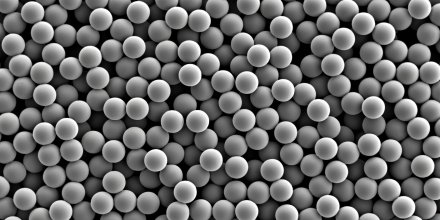
Laser printing utilizes a six-stage cycle: Charging, Exposure, Developing, Transfer, Fusing, and Cleaning. The toner comprises styrene-acrylate copolymer beads encapsulated with magnetic iron oxides and color pigments.
- Document Permanence: Fused toner melts into cellulose surface pores, providing imperviousness to water immersion and yellowing under UV radiation.
- Edge Definition: Toner scatter is held to micron boundaries, achieving razor-sharp 1,200 dpi typography on 75 g/m² bond paper.
- Thermal Burden: Requires periodic fuser cycling to maintain roller temperatures, drawing 450 to 900 watts during active operation.
Heat-Free Piezoelectric Inkjet
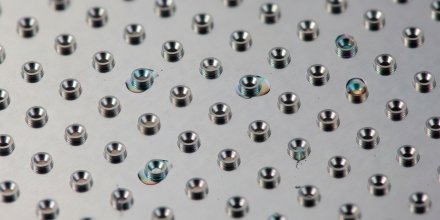
Line-head commercial inkjets feature a stationary print head array traversing the entire page width (216 mm or 297 mm). Droplets are ejected via mechanical pulse without boiling heat.
- Instant Wake-Up: No warming cycle needed. First-page-out time (FPOT) typically clocks under 4.8 seconds from deep sleep.
- Energy Efficiency: Operational power draw drops below 75 watts—a 90% reduction compared to equivalent thermal laser hardware.
- Pigment Suspension: Insoluble resin-coated pigment flakes sit on the sheet surface rather than soaking in, resisting highlighter smudging.
Comparative Technical Parameters
Selecting hardware requires reviewing mechanical wear metrics, warm-up energy footprints, and typical field failure modes across both technologies.
| Evaluation Parameter | High-Speed Color Laser (45-60 ppm) | Line-Head Pigment Inkjet (60-100 ppm) |
|---|---|---|
| First Page Out (From Sleep) | 7.5 – 12.0 seconds (Fuser warm-up required) | 4.5 – 5.5 seconds (Zero heating cycle) |
| Typical Energy Consumption (TEC) | 1.8 – 2.4 kWh / week | 0.25 – 0.40 kWh / week |
| Consumable Items | Toner, Drum Units, Transfer Belt, Fuser, Waste Box | High-capacity Ink Bags, Maintenance Box |
| Paper Curl & Moisture Loss | Moderate curl due to thermal moisture evaporation | Flat output, zero heat distortion on thin media |
| Barcoding & Micro-Text Clarity | Exceptional (zero feathering on standard media) | Excellent with pigment, sensitive to coarse stock |
Environmental Air Quality and VOC Considerations
Electrophotographic engines emit volatile organic compounds (VOCs), ultrafine particles (UFPs), and ozone during high-volume runs due to corona discharge wires and plastic resin thermal melting. Commercial offices placing units in enclosed rooms must verify Blue Angel (RAL-UZ 205) or Nordic Swan certifications, confirming integrated catalytic ozone converters and activated charcoal ventilation filters.
Heat-free pigment inkjets generate zero ozone and radically diminish ultrafine particle emissions, making them ideal for dense, poorly ventilated cubicle zones, healthcare clinical stations, and school administrative offices.